
Join us in creating a positive social impact in Bulgaria and beyond!
Mundus Bulgaria is a non-governmental, non-profit organisation that creates opportunities for experiential learning, civic participation and personal development for youth and adults through non-formal education and international cooperation. Our team consists of professionals with diverse expertise, working together to empower people and create meaningful impact in our communities.
As a partner in international projects, we are specialising in education, youth participation, and community engagement, seeking innovation and social impact.
We Work In
ERASMUS+ KA1
We organise international training courses that support personal and professional development.
ERASMUS+ KA2
We develop innovative educational resources, research and methodologies that address societal challenges.
ERASMUS+ SPORT
We promote inclusion, well-being and active lifestyles through sport, education and international collaboration.
CERV
We empower citizens and civil society to promote equality, human rights, democratic participation and European values.
Our Local Partners
We are proud to work alongside various local organisations that share our values and commitment to bringing about positive change in our communities.
Nationally, we collaborate with a network of trusted schools, youth centers, sports clubs, and NGOs.
Scroll right or left to see some of our local partners.
News

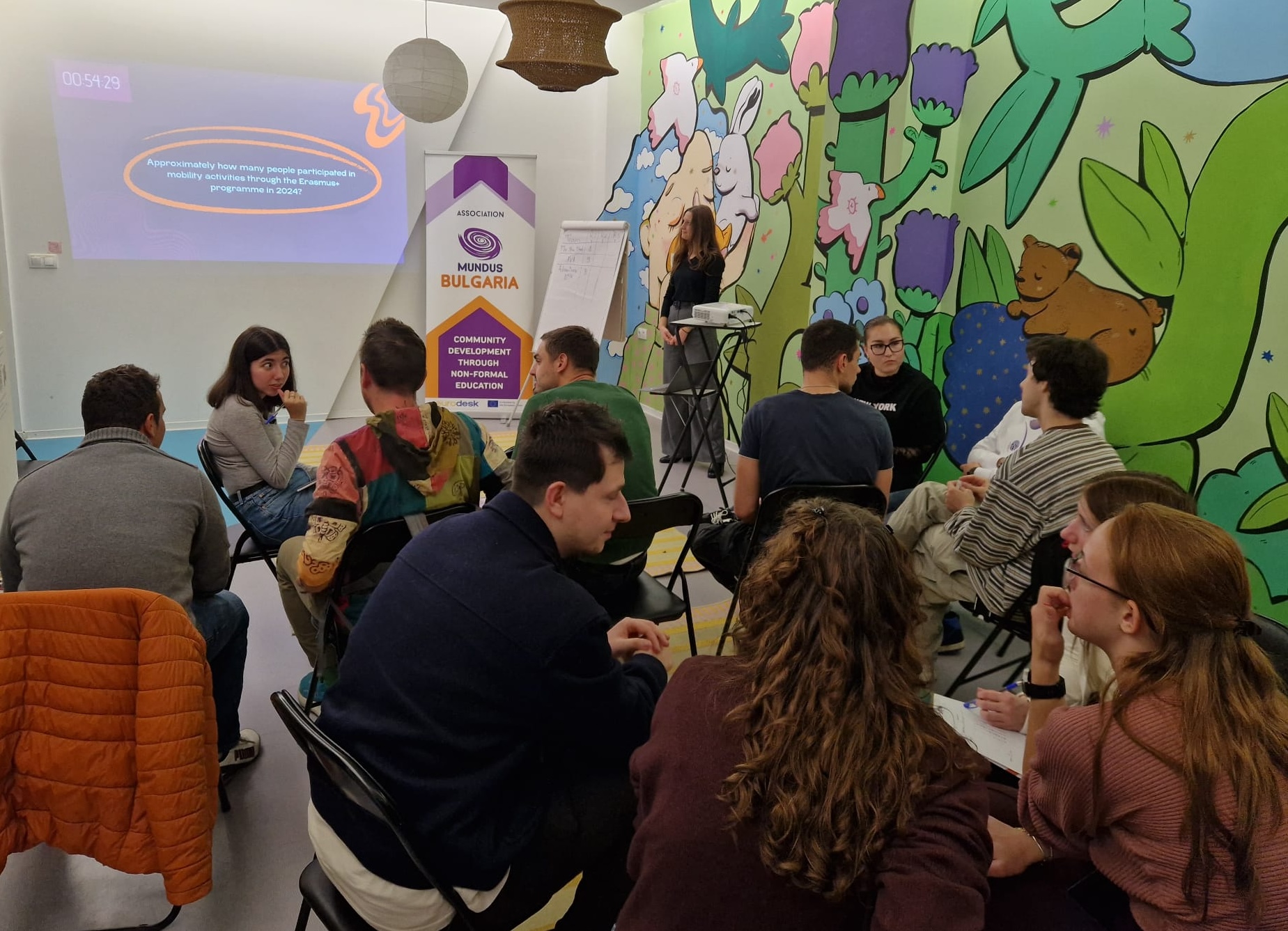
#TIMETOMOVE2026: ERASMUS+ QUIZ NIGHT
On 22 October, Mundus Bulgaria organised an Erasmus+ Quiz Night at Community Space Magnit as part of Time to Move 2026, a campaign organised by
Future Forge: The Toolkit for Youth Empowerment Through Gamification is Here!
Another exciting milestone has been reached in the Future Forge project! We are happy to announce the completion of “Toolkit: Empowering Youth Through Gamification”, the
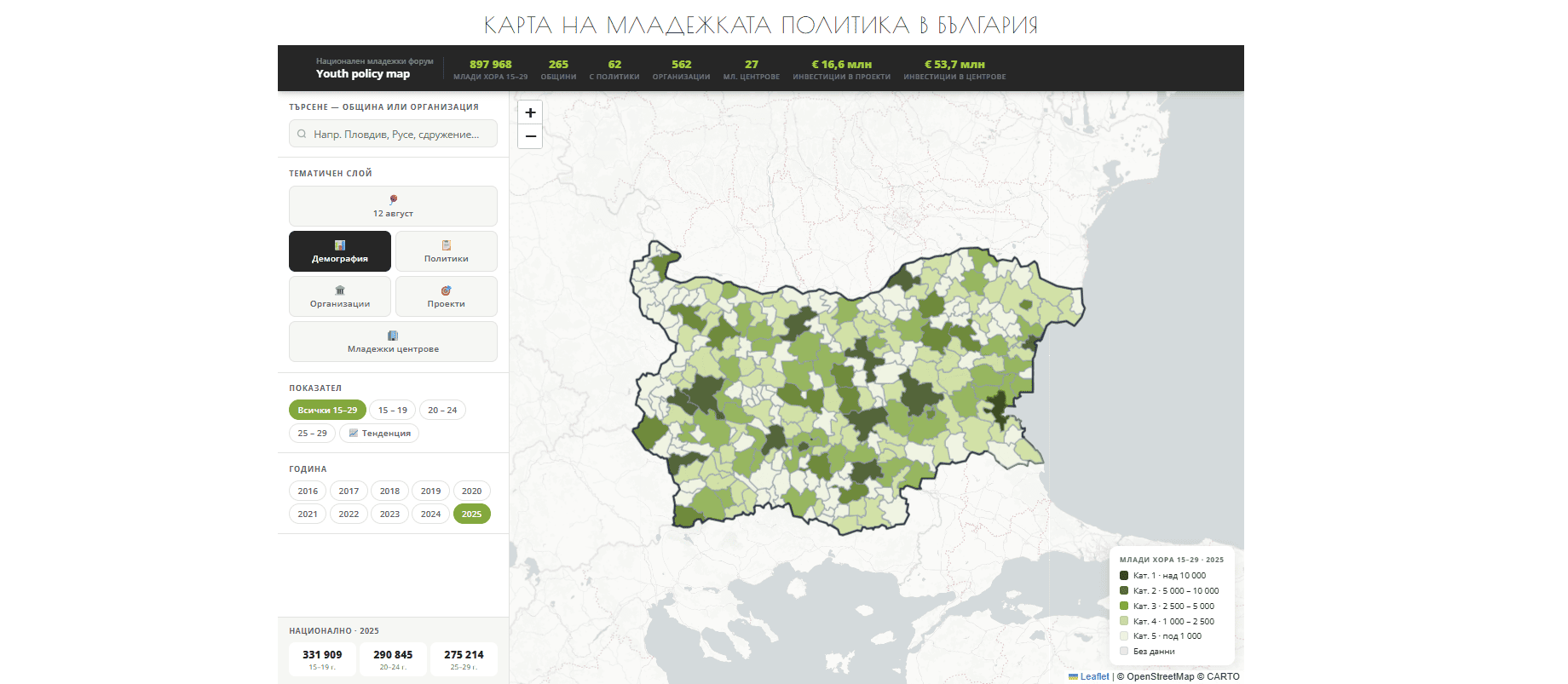
Mapping the Reality of Youth Policy in Bulgaria: The Launch of the Interactive Youth Map
Understanding the real needs and infrastructure available to young people across Bulgaria has long been a challenge for civil society, institutions, and youth workers. To