At Mundus Bulgaria, we design and implement international projects, creating opportunities that respond to social and community needs.
Alongside our work in European cooperation, we organise local events and workshops using non-formal education to explore topics such as civic participation and active citizenship, European values, sustainable development, volunteering, human rights and many others.
Our work aims to strengthen the capacity of people and communities in Bulgaria and across Europe to respond to social challenges and contribute to positive change. We are particularly interested in driving social innovation – developing, testing and applying new or improved ideas, approaches and solutions that address real needs and can create meaningful impact in society.
We work primarily across the Youth and Adult Education sectors, supporting young people, youth workers, adult learners and educators, as well as people with fewer opportunities, NEETs and those living in rural communities. At the same time, we strive to work with a wide range of professionals and organisations, including NGOs, public authorities, decision-makers, SMEs, social enterprises, sports organisations and other stakeholders who can contribute to positive societal change.
We tie together research, education and international cooperation to turn ideas into practical learning opportunities and useful resources. Through non-formal education as a methodology and international cooperation as a means to exchange knowledge and connect beyond borders, we create opportunities for people to learn, grow and contribute to their communities.
Methodologies and Resources
These are some methodologies of Non-formal Education (NFE) that we use in our work. Learn more about them and browse through resources created or co-created by us in our projects.
Education Through Sport (ETS) Methodology
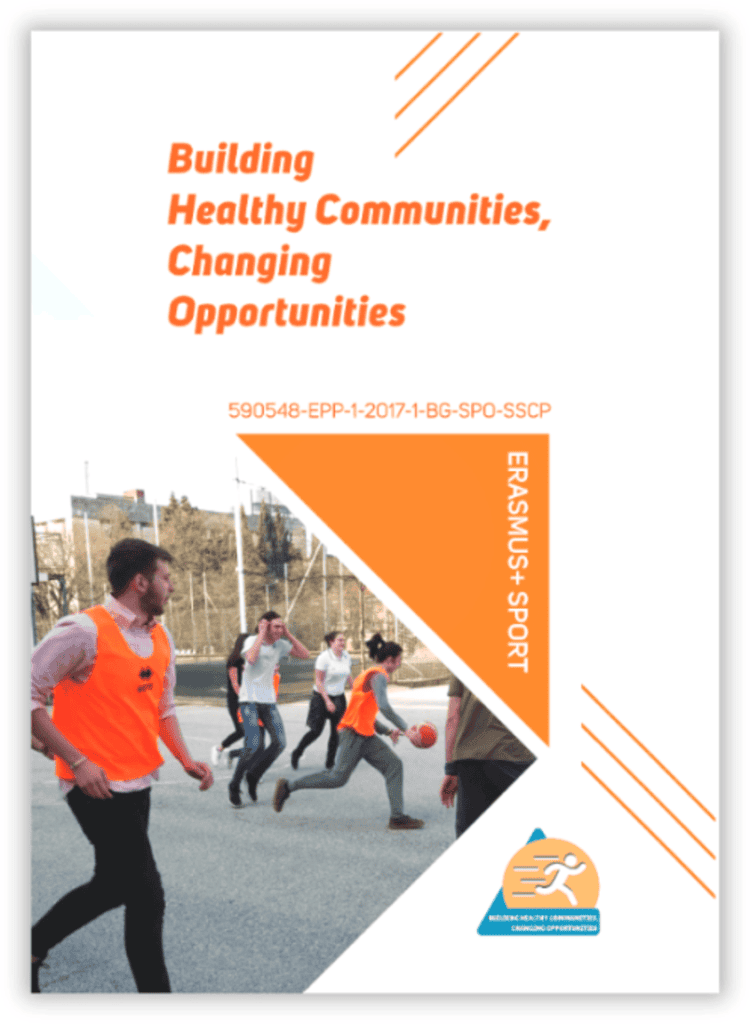
Education Through Sport (ETS) is a non-formal education approach that uses sport and physical activity as tools for learning, personal development and social transformation. While sport is at its core, ETS goes beyond physical activity – mentorship, reflection and intervention are essential elements of the learning process.
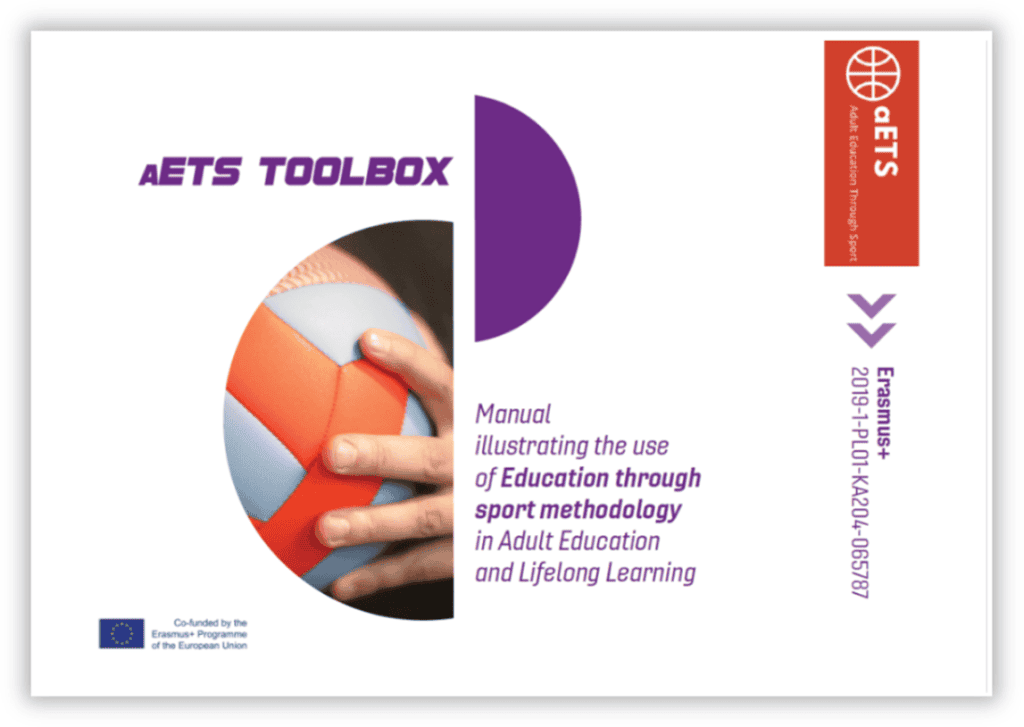
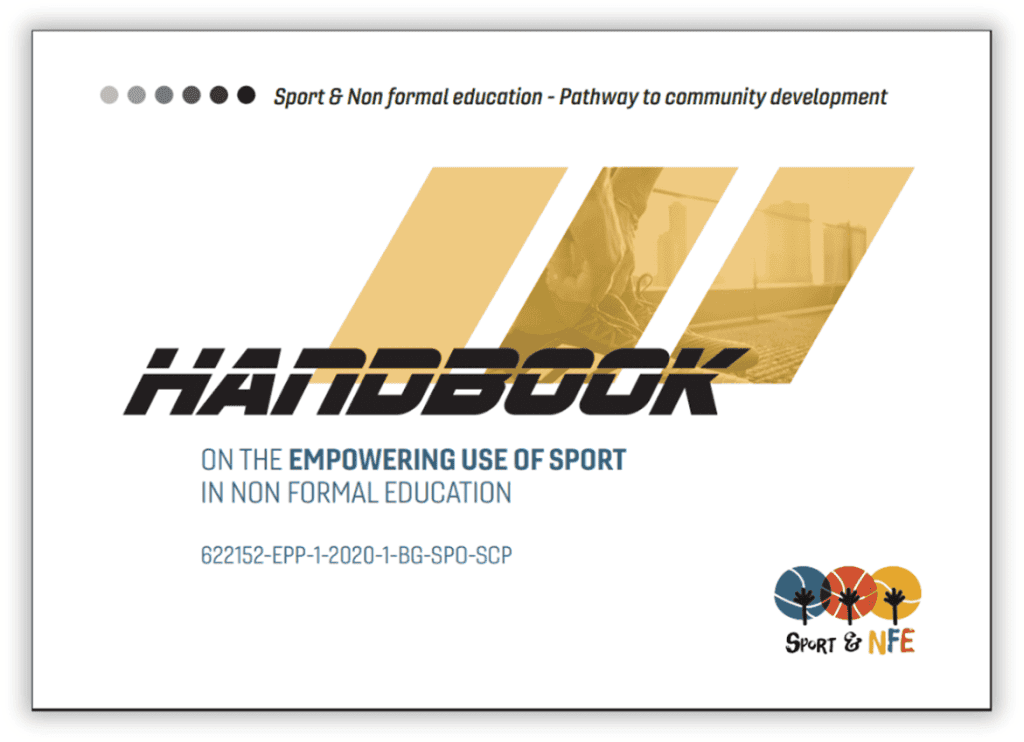
Since the establishment of Mundus Bulgaria, promoting and applying this approach has been key in many of our projects. We have used ETS in different contexts and with different target groups, developing and testing activities, training programmes and educational resources. Some examples include the aETS Toolbox on the use of ETS in Adult Education, the BHCCO Booklet and the Sport & NFE Handbook. To access the resources, click on the relevant image.
Learning Through Playing (Gamification) Methodology
Gamification and game-based learning are approaches that use game elements to create engaging, interactive and motivating learning experiences. While gamification incorporates elements such as challenges, rules, feedback, rewards and storytelling into learning activities, game-based learning uses games themselves as a learning tool for developing knowledge and skills. Both approaches encourage active participation, collaboration, problem-solving and learning through experience.
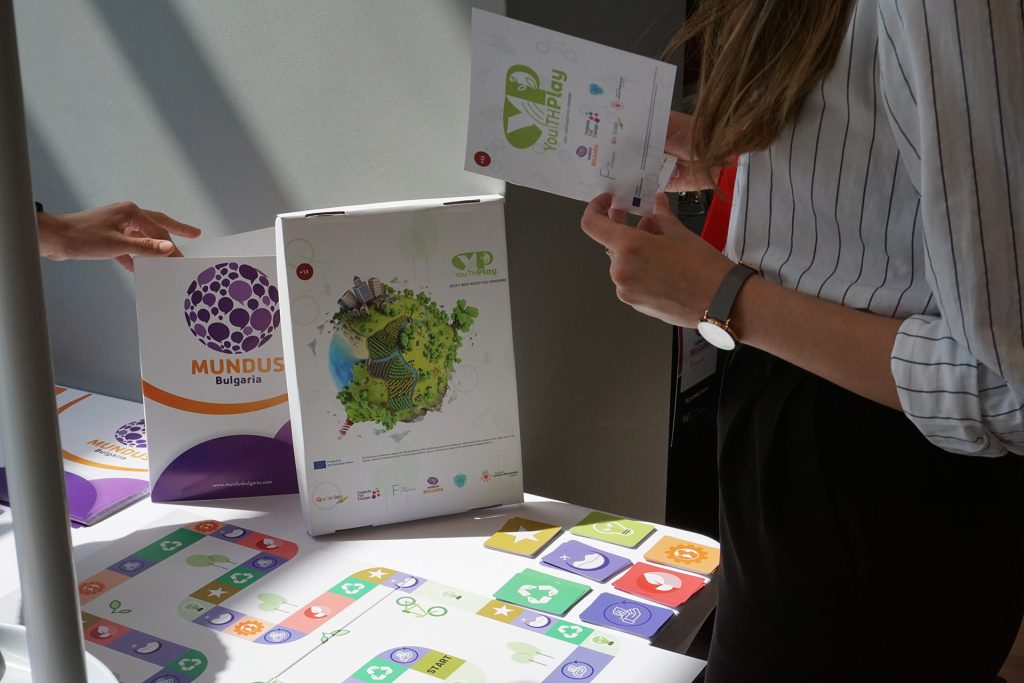
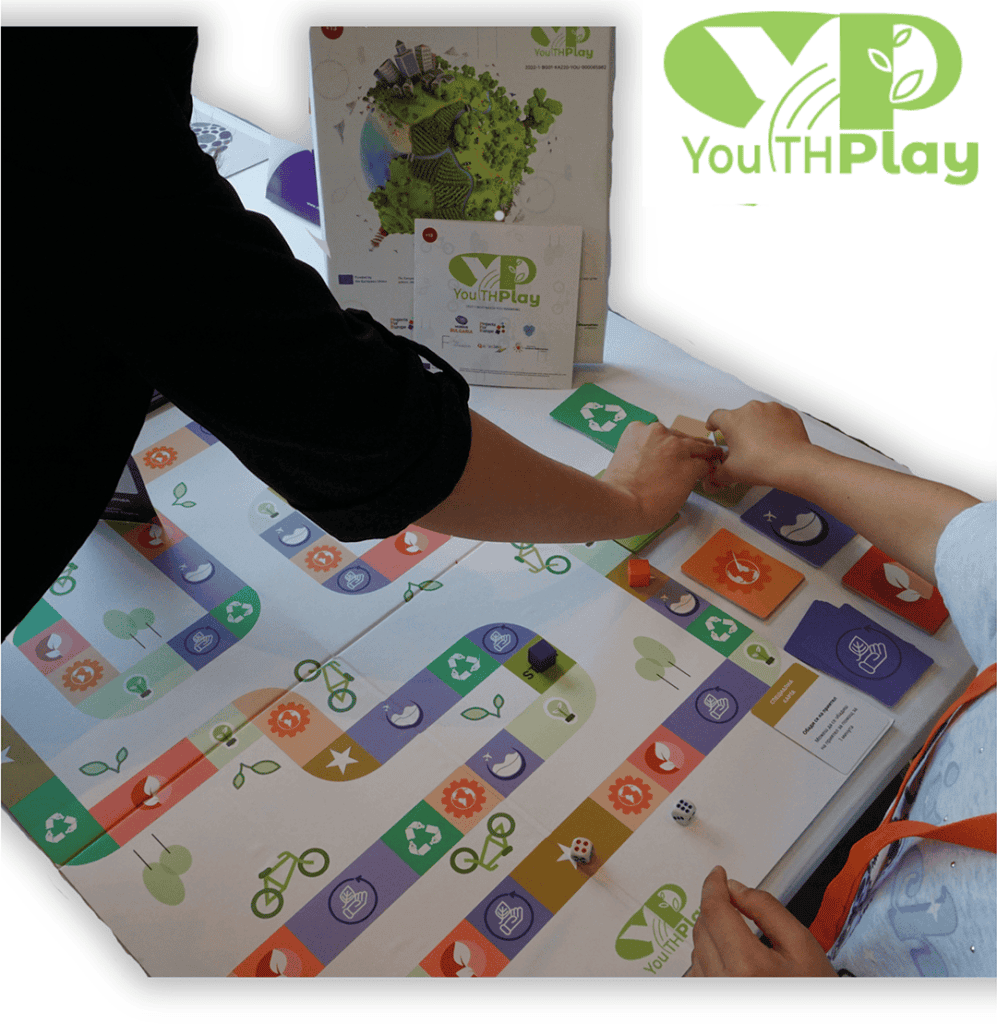
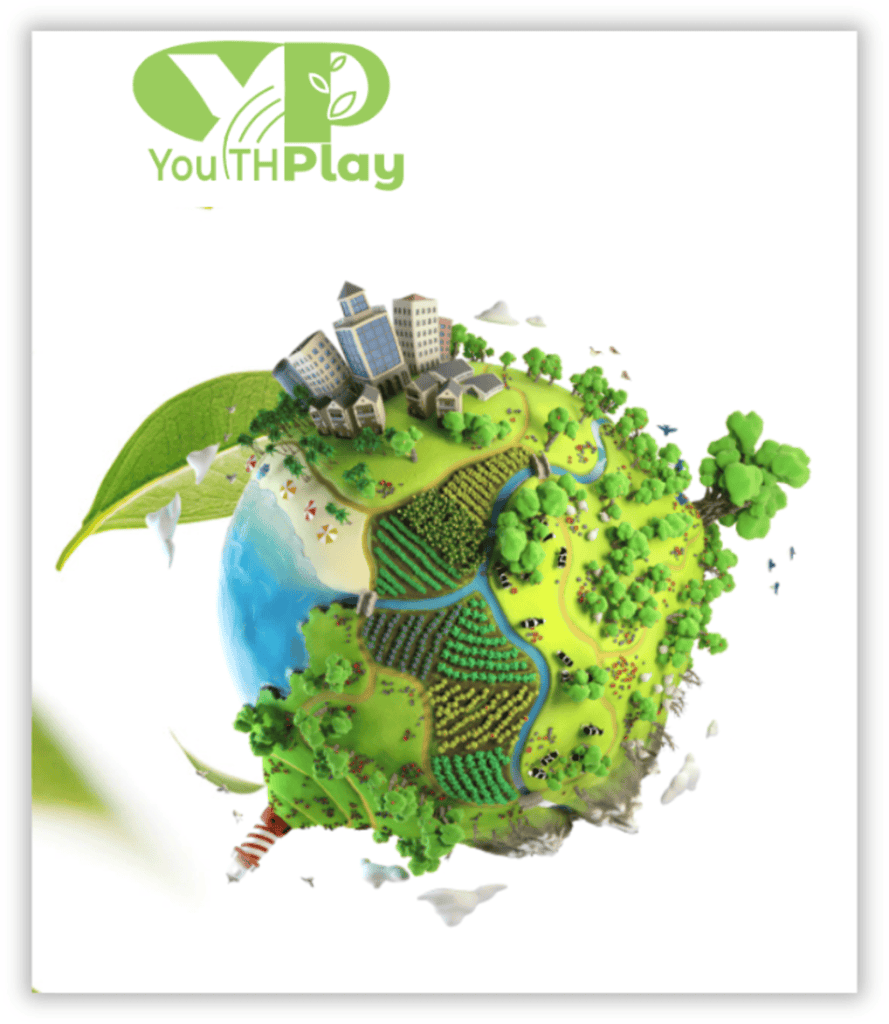
Gamification and game-based learning have been part of our educational work, particularly in projects focused on youth participation and sustainable development. One example is our Virtual Planet game, developed within the You(th)Play project to help young people explore their impact on the environment. The game is available in two versions: a physical version, which can be obtained free of charge by contacting our team, and a virtual version, which can be played online for free.
Experiential Learning
Experiential learning is an educational method that focuses on learning through direct, hands-on experience, reflection and active engagement. Instead of simply receiving information, learners take part in practical activities, reflect on their experiences, connect them with existing knowledge and use what they have learned in new situations.
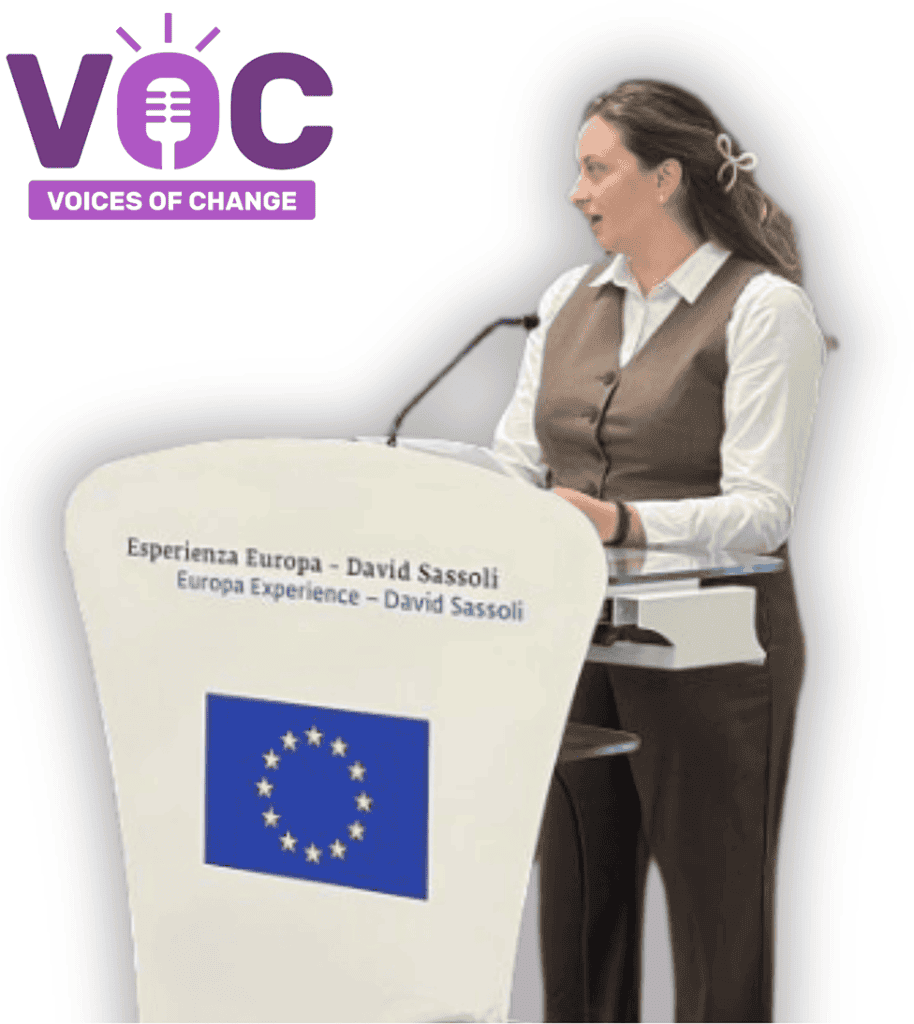
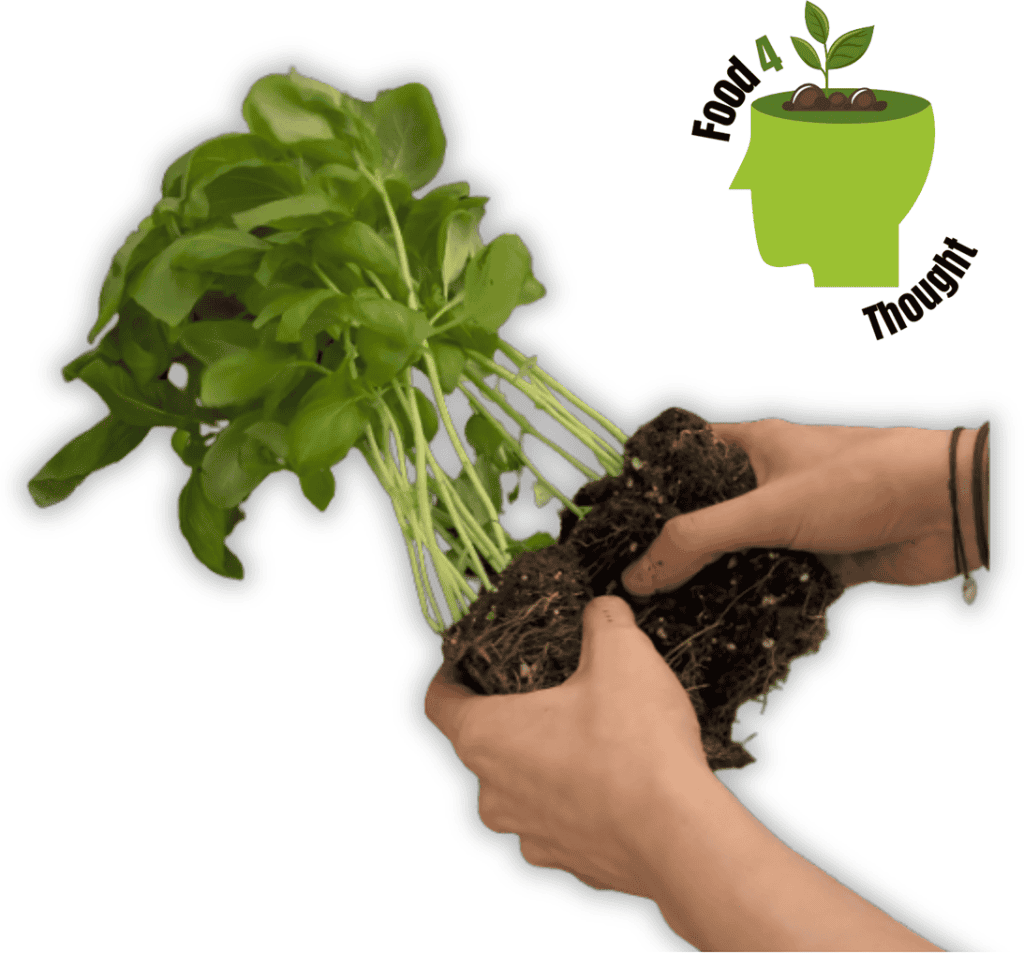
Experiential learning is at the heart of all the education and training opportunities we provide. Some success stories of applying this approach include field visits to EU institutions combined with open dialogue with European decision-makers, an urban gardening workshop, and, of course, all our international mobility projects.
We Work In
ERASMUS+ KA1
We organise international training courses that support personal and professional development.
ERASMUS+ KA2
We develop innovative educational resources, research and methodologies that address societal challenges.
ERASMUS+ SPORT
We promote inclusion, well-being and active lifestyles through sport, education and international collaboration.
CERV
We empower citizens and civil society to promote equality, human rights, democratic participation and European values.
We are open for collaborations in other funding programs
We are accredited under Erasmus+ KA1 in the Youth field
Our accreditation confirms our capacity to provide high-quality learning and mobility opportunities for young people and youth workers.
We are part of the Eurodesk multiplier network
As part of the Eurodesk Multiplier Network, we provide young people with accessible information and guidance on European opportunities for learning, mobility, volunteering and participation. Reach out to us if you have any questions.
We hold a Quality Label as a Sending Organisation under the European Solidarity Corps (ESC)
Our Quality Label confirms our capacity to guide and support young people in finding and preparing for ESC volunteering opportunities abroad.
This website uses cookies to improve your experience while you navigate through the website. Out of these, the cookies that are categorized as necessary are stored on your browser as they are essential for the working of basic functionalities of the website. We also use third-party cookies that help us analyze and understand how you use this website. These cookies will be stored in your browser only with your consent. You also have the option to opt-out of these cookies. But opting out of some of these cookies may affect your browsing experience.